
Understand the payment before you play
 Available in US
Bitcoin is a way to fund a casino balance, while the slot game itself determines its reels, symbols and rules.

What a Bitcoin Slot Machine Means
A “Bitcoin slot machine” is not a special kind of physical machine. The phrase generally describes an online pokies game played using a casino balance funded with Bitcoin. The slot game and the cryptocurrency are separate things: the game provides the reels, symbols and rules, while Bitcoin is one possible way to hold or transfer funds to the casino.
That distinction matters because using Bitcoin does not, by itself, change how a slot works. A game’s features belong to the game, not to the currency used for the balance. The same online pokies title may be available to players using different payment methods, depending on the casino. Calling it a Bitcoin slot usually refers to how a player funds or accounts for play, rather than to a game built specifically around Bitcoin.
The wording can be confusing. “Bitcoin slot machine games” might sound like games that use Bitcoin as part of their theme or mechanics. In many cases, it simply means ordinary online slot games accessed through a casino that accepts Bitcoin. A game with a cryptocurrency theme is not necessarily payable in Bitcoin; conversely, a conventional-looking game may be playable from a Bitcoin-funded balance. The name alone does not establish what a casino accepts or how it records play.
If you’re exploring bitcoin slots in New Zealand in 2026, this list gives you a concise starting point for checking the operators’ stated credentials and payout details. Use the information here as a reference when deciding what to look into further.
-
BitStarz
- License
- Curaçao Gaming Authority, licence no. OGL/2024/165/0185
BitStarz lists a Curaçao Gaming Authority licence, number OGL/2024/165/0185. You can use that detail as a starting point when checking its licensing information.
-
Wintino
- Payout speed
- 1-3 business days
Wintino lists a payout speed of 1–3 business days. You can consider this stated timeframe when reviewing its payment details.
-
Ricky Casino
- License
- Tobique Gaming Commission, licence no. 0000002
Ricky Casino lists a Tobique Gaming Commission licence, number 0000002. You can refer to the licence details when looking into the operator.
-
7Bit Casino
- License
- Tobique Gaming Commission, licence no. 0000091
7Bit Casino lists a Tobique Gaming Commission licence, number 0000091. You can use the stated licence information as a reference.
-
Zotabet
- License
- 07017519840
- Payout speed
- 1-3 business days
Zotabet lists licence number 07017519840 and a payout speed of 1–3 business days. You can consider both details when reviewing the operator.
-
N1 Casino
- License
- Malta Gaming Authority, licence no. MGA/B2C/394/2017
N1 Casino lists a Malta Gaming Authority licence, number MGA/B2C/394/2017. You can use this information when checking its licensing details.
-
Neospin
- License
- Tobique Gaming Commission, licence no. 0000064
Neospin lists a Tobique Gaming Commission licence, number 0000064. You can refer to the stated licence details when considering the operator.
-
Lamabet
- Payout speed
- 1-3 business days
Lamabet lists a payout speed of 1–3 business days. You can take this stated timeframe into account when reviewing its payment details.
-
Play Grand
- License
- Malta Gaming Authority, licence no. MGA/B2C/370/2017
Play Grand lists a Malta Gaming Authority licence, number MGA/B2C/370/2017. You can use that detail as a reference when looking into the operator.
A Bitcoin casino slot machine is therefore best understood as a combination of two services: the casino’s online game and its handling of a cryptocurrency balance. The game determines what happens during play. The casino account records the funds available to you, and the casino’s payment arrangements determine whether that balance can be funded in Bitcoin. The details may differ between operators, so the label is not a guarantee that every game or account function is denominated in BTC.
You may see a balance displayed in Bitcoin, in a local-currency equivalent, or in another unit the casino supports. Those displays are ways of representing the account balance; they do not alter the slot’s underlying rules. If the balance is held in Bitcoin, its value can change even while the number of Bitcoin shown remains the same. A specialist review notes that a balance held in a volatile coin can rise or fall in value. That movement comes from the cryptocurrency’s changing value, not from the slot game itself.
This is one reason to keep the two parts mentally separate. A result in a game changes the balance according to the game and the amount wagered. A change in Bitcoin’s market value can affect what that balance is worth outside the game. The two effects can occur independently: a balance may stay unchanged in Bitcoin units while its value in another currency shifts. The phrase “Bitcoin slot” can obscure that difference if it is treated as a description of the game rather than its funding currency.

You might also encounter “BTC slot” or “BTC slots.” BTC is the ticker commonly used for Bitcoin, so these labels generally point to the same payment distinction. They do not tell you whether the casino quotes every stake and result in BTC, converts values for display, or supports Bitcoin only for account funding. Those are separate details of the casino’s system.
Nor does a Bitcoin balance make a game a different category of slot. The familiar idea remains: you choose a game, set a stake where the game allows it, and receive a result under its rules. The cryptocurrency is not a substitute for understanding those rules. If a casino uses the same game catalogue for several currencies, the game’s presentation may remain unchanged while the account’s currency differs. A “Bitcoin casino slot” can thus be a regular online pokies game played through an account that uses Bitcoin.
The phrase can also be used loosely in advertisements and menus. It may refer to a casino that offers Bitcoin payments, a section of games accessible to cryptocurrency users, or an individual game played from a Bitcoin balance. These meanings are related but not identical. Before assuming that a particular game accepts Bitcoin directly, distinguish the game’s availability from the casino’s payment options. The cashier and account information, rather than the phrase attached to a game, describe how the balance is handled.
In short, a Bitcoin slot machine is usually an online slot game associated with Bitcoin-funded play, not a machine whose rules are powered by Bitcoin. The game governs play; the cryptocurrency is the means of holding or moving value. Keeping those roles distinct makes the label easier to interpret—and avoids mistaking a payment option for a feature of the game.
New Zealand’s Online Casino Rules in 2026
The legal position for online casinos in New Zealand changes during 2026, so the date attached to a rule matters. The Gambling Act 2003 did not allow online casinos to be based in New Zealand. Before the new framework, offshore online gambling was not licensed or supervised by a New Zealand regulator, leaving customers without domestic government recourse if a dispute arose.
The Online Casino Gambling Act 2026 came into force on 1 May 2026. That date began a transition period, rather than the full operation of a domestic licensing system. Online casinos that were already serving people in New Zealand before 1 May may continue during the transition, which ends on 1 December 2026. New offshore operators are barred from entering the market from 1 May, and the full licensed regime is not expected to be operational until 2027.
There is a specific discrepancy in accounts of the legislation’s timing. A specialist review reports that the Online Casino Gambling Bill passed its third reading on 23 April 2026 and takes effect on 1 December. These dates should not be treated as interchangeable: the Act’s commencement established the framework and transition, while the December date is the key point for the transition’s expiry. The distinction matters when assessing what a site may lawfully do at a particular time.
The new Act establishes New Zealand’s first domestic licensing framework for online casino gambling. A specialist review describes the scheme as administered by the Department of Internal Affairs and capped at 15 licences. From 1 December 2026, operators wishing to offer online casino gambling to people in New Zealand will need a licence under the Act, according to that account. The framework regulates operators; it does not turn offshore platforms into New Zealand-regulated services merely because they accept customers here.

That is particularly relevant to bitcoin slots in New Zealand in 2026. Offshore crypto casinos are not currently licensed by the Department of Internal Affairs, and a cryptocurrency payment option does not change that status. Nor should a site’s overseas licence be mistaken for New Zealand oversight. Offshore operators do not have domestic regulatory supervision or the protections associated with a New Zealand licence.
The change is aimed at operators, not individual players. A specialist review notes that the new framework does not make it illegal for people in New Zealand to use unlicensed offshore sites. That does not mean an offshore casino is locally approved or that a customer has domestic recourse if a problem occurs. The legal distinction is simple but important: the framework places requirements on providers, while the absence of a local prohibition on players is not a consumer-protection guarantee.
For a Kiwi considering an offshore bitcoin casino, the transition date is therefore not a signal that every familiar site will become licensed. Only providers already operating before 1 May can continue under the transitional provisions, and that permission runs only to 1 December. The later licensing system is expected to be fully operational in 2027; until then, do not infer a platform’s New Zealand status from its branding, payment methods or general claims about regulation. The position can also change as implementation proceeds, so check the Department of Internal Affairs’ current public information rather than relying on an operator’s description alone.
Free Spins and Bitcoin Slot Promotions
A free-spin offer can sound simple: a set of spins is provided without charging you for each one. The important question is what happens to any winnings. They may be credited as bonus funds rather than cash you can withdraw, and the offer’s terms determine what you must do before they become available.
The same distinction matters with a no-deposit promotion. “No deposit” describes how the offer begins; it does not, by itself, mean that winnings are unrestricted or that you can cash them out without meeting conditions. Treat the headline as a summary, not as the full deal. If the detailed terms are unclear or hard to find, you cannot reliably assess the offer.
Read the conditions before claiming
Check who can take part and whether the offer applies to your account and location. Terms may set eligibility requirements, such as account status or completing verification. A crypto payment method does not necessarily remove identity checks: reputable casinos still require identity verification. Do not assume an offer is available to you just because it appears on a page or in a message.
Look for the time allowed to claim or use the spins, and when any resulting bonus funds expire. Check whether the spins apply only to specified games, and whether you can choose when to use them. If the terms name a limited selection, the offer is not a general credit for any game.
Then find the rules for turning promotional winnings into withdrawable funds. Wagering requirements describe how much play is required before those funds can be withdrawn. Read the stated calculation carefully: it may apply to winnings, bonus funds, or another defined amount. Check whether some games or bets are excluded or count differently. If the calculation is not explained plainly, do not fill the gap with an assumption.

Other restrictions can matter just as much. Look for a maximum amount that can be withdrawn from the promotion, a limit on bet size while bonus funds are active, and any rule that cancels winnings after a breach. These conditions can change the practical value of an offer even when the advertised number of spins appears generous. No particular limit should be presumed; the written terms control.
Check the currency and withdrawal rules
A promotion connected with Bitcoin may state its value in BTC, another cryptocurrency, or a conventional currency. Confirm what is actually credited to your account and how the casino defines that amount. Bitcoin’s value can move between the time a balance is credited and the time you withdraw it. A displayed BTC amount is therefore not a fixed value in another currency.
Also check whether the promotion requires you to deposit before withdrawing winnings, even if no deposit is needed to claim or use the spins. Those are different conditions. Find out what payment method is allowed for any required deposit and whether the offer changes the ordinary withdrawal process. Do not send funds simply to unlock a bonus unless you understand the requirement and have decided that the terms are acceptable.
Keep a copy of the offer and its full conditions when you claim it. Promotional pages can change, while the terms attached to your account may determine how a dispute is handled. If the rules conflict across pages, ask the operator for clarification before playing rather than relying on the shortest version of the offer.
Do
- Check eligibility and location requirements
- Read wagering calculations carefully
- Keep a copy of the full conditions
Don't
- Assume "no deposit" means unrestricted winnings
- Rely on a promotional headline alone
- Send funds solely to unlock a bonus
Free Bitcoin spins and real-money play are not interchangeable. Spins may create promotional winnings subject to extra restrictions; money you deposit is your own balance, though its cryptocurrency value can fluctuate. Compare the conditions, not just the headline, and decline an offer if you cannot establish when winnings become withdrawable or what could cause them to be forfeited.
How to Assess a Bitcoin Slot
A useful way to assess an online pokies game is to separate two things that can look like one: the slot’s design and the currency in your casino balance. Bitcoin does not, by itself, make a game more generous, more entertaining or easier to understand. It is the way the balance is held or displayed; the game’s rules still determine how spins work.
Start with the game information. Look for a clear explanation of its layout, symbols, winning combinations and any special features. Check how a win is calculated and whether the rules explain what happens when features overlap or a round is interrupted. If you cannot work out what a symbol or feature does from the published rules, you cannot make a well-informed choice about playing it.
The paytable is more useful than a promotional description. It should show the values assigned to symbols and explain the conditions attached to wins. Read the rules alongside it: a headline feature may sound simple while depending on specific combinations or conditions. Treat claims such as “high-paying” as advertising unless the game information gives you a basis to assess them.

Where a game publishes its return-to-player figure, or RTP, treat it as a theoretical measure across a large number of plays, not a forecast of what your own session will return. It does not tell you when a win will occur, and it cannot predict the result of a particular spin. If the figure is absent, unclear or presented without an explanation, do not fill the gap with assumptions.
Volatility is another term you may encounter. It describes the pattern of possible wins, rather than changing the game’s rules or guaranteeing a particular outcome. Read the provider’s explanation if one is available, and avoid treating a label as a promise about your results. Neither RTP nor volatility can make a session predictable.
Then consider the experience itself: whether the rules are readable on your device, whether the game’s controls are clear, and whether you can find the paytable before committing money. A polished screen is not evidence of fair outcomes. If you are unsure what a feature does, pause rather than relying on its name or animation.
The currency adds a separate consideration. A specialist review has noted that when a balance is held in a volatile coin such as Bitcoin, its value can rise or fall. That movement is not a feature of the slot and does not change its paytable; it changes what the coin balance may be worth. Keep those two measures distinct when judging a game: one concerns the rules and possible outcomes, the other the changing value of the funds you hold.
There is no sound basis for calling a particular game the best Bitcoin slot without specifying what “best” means. A player who values clear rules may weigh a game differently from someone interested in its features or pace. Compare the published information against your own preferences, and do not let a coin label or confident marketing substitute for details you can check.
Depositing Bitcoin: Wallets, Addresses and Confirmation
A Bitcoin deposit involves two separate systems: your wallet sends a transaction across the blockchain, and the casino credits your account after it detects the required confirmation. A payment can therefore be visible on the network before it appears in your playable balance. Sending funds is not the same as the casino approving a later withdrawal.
Before transferring anything, check that the cashier accepts Bitcoin and read its deposit instructions from the site itself. Select Bitcoin as the currency, then copy the displayed deposit address. Use a dedicated crypto wallet for gambling transactions, enable two-factor authentication, and set a deposit limit you can afford to lose. Do not send Bitcoin directly from a crypto exchange: transfer it to your personal wallet first, then make the casino payment from there.
The address and network must match the instructions exactly. Bitcoin addresses are not interchangeable with addresses for other coins or networks, even when they look similar. A mistake can send funds somewhere the casino cannot access, and a blockchain transfer may not be reversible. Check the first and last characters of the address after copying it, and confirm that the wallet is set to the Bitcoin network specified by the cashier. If the site provides a QR code, verify the details shown in your wallet before approving the transaction; scanning a code is not a substitute for checking it.
Enter the amount in your wallet, review the transaction details, and confirm only when the destination and network are correct. Keep the transaction ID, also called a transaction hash, so you can look up its status on a blockchain explorer or provide it to support if the payment is delayed. Never send another payment just because the balance has not updated yet: first check whether the original transaction is still pending or has been confirmed.

A specialist review reports that Bitcoin deposits may appear after one to three blockchain confirmations, with an estimated wait of 10–30 minutes. Treat that as a reported guide, not a promise: confirmation time can vary, and a casino may set its own crediting requirements. The key distinction is that confirmation records the transaction on the blockchain; it does not mean a casino has separately approved a withdrawal.
If the wallet shows the transaction as confirmed but the casino balance has not changed, compare the transaction details with the deposit instructions and contact the casino through its stated support channel. Provide the transaction ID and relevant account details, but never disclose your wallet’s recovery phrase or private keys. Those credentials give control of your funds; a casino has no legitimate need to ask for them.
Bitcoin transactions to offshore casino sites do not come with domestic New Zealand regulatory oversight or consumer protections. Check the recipient carefully before sending funds, and do not assume that a confirmed transfer can be reversed or recovered through a local regulator.
Bitcoin Slot Games and the Cost of Playing
The cost of a session depends on two separate things: the amount you choose to stake and the value of the cryptocurrency holding your casino balance. A bitcoin balance may be displayed as a fraction of a coin, while the amount it represents in New Zealand dollars changes with the market price. That means the same displayed balance can have a different cash value at different times.
This distinction matters when you decide how much to set aside for online pokies. A balance is not a fixed NZ-dollar budget simply because it remains unchanged in Bitcoin. If Bitcoin’s price moves after you deposit, the balance’s value in NZ dollars can rise or fall before you play, while you are playing, or before you convert it back. A specialist review of bitcoin casinos describes this volatility as a feature of holding funds in a changing cryptocurrency, not a change to the slot’s own stake settings.
Some specialist casino reviews put minimum deposits at the equivalent of NZ$10–$30. Treat that as an indication reported by that type of review, rather than a standard that applies to every site: the cashier’s stated minimum is the relevant amount for a particular account and currency. A minimum deposit also does not tell you what a session will cost. The total depends on the amount wagered and how long you choose to play, as well as the balance’s value in NZ dollars.
For a clearer personal budget, decide what you can afford to lose in NZ-dollar terms before converting funds. Then consider whether a change in Bitcoin’s value would leave the balance worth more or less than that amount when you are ready to stop. Setting a deposit limit can help keep funding within your plan, but it cannot prevent the market value of a Bitcoin balance from changing. A limit controls the amount you send; it does not lock in an exchange rate.

The practical effect is that two costs can move independently. The game’s stake is determined by its settings and the amount you wager. The NZ-dollar value of your funds is affected by the cryptocurrency’s market price. A lower stake does not remove exchange-rate risk, and a favourable price movement does not make gambling risk-free. Keep those measures separate when deciding whether a session fits your budget.
Also account for transaction charges when considering the amount available to play. Network fees vary with network activity and the cryptocurrency used, so the amount that leaves your wallet may not be the amount ultimately credited. Check the cashier’s instructions and the fee information provided before transferring funds. Use a dedicated personal crypto wallet, enable two-factor authentication and set deposit limits; do not send Bitcoin directly from an exchange. The wallet address and blockchain network must match the casino’s instructions exactly.
Finally, consider where the balance is held. Offshore crypto casinos do not have domestic New Zealand regulatory oversight or consumer protections. A displayed balance is not the same as money held in a New Zealand bank account, and its value can fluctuate before withdrawal. Budget for the amount you could lose, not for a hoped-for rise in Bitcoin’s price.
Bitcoin Cash Slot Games: Check the Currency Before You Pay
Bitcoin and Bitcoin Cash are separate cryptocurrencies, despite their similar names. Bitcoin is commonly identified by the ticker BTC; Bitcoin Cash by BCH. A casino cashier that accepts one does not necessarily accept the other, and a slot described as a Bitcoin Cash game may refer to the currency used to fund play rather than a different kind of game.
Check the currency label wherever you are asked to choose a payment method. Read the full name and ticker rather than relying on a Bitcoin symbol, a shortened label or a page title. If the cashier says Bitcoin (BTC), do not treat that as confirmation that it accepts Bitcoin Cash (BCH), or the other way around. If the wording is unclear, pause and seek clarification from the operator before proceeding.
The network matters as well as the coin. A cryptocurrency can be associated with different networks or payment routes, and a name alone may not tell you which one the cashier expects. Compare the casino’s instructions with the currency and network shown in your wallet. They must match exactly. Sending a coin over a different network from the one specified can mean the payment is not credited as intended.
This distinction is relevant when you see phrases such as “Bitcoin Cash slots” or “Bitcoin Cash slot games”. They may describe a cashier option for Bitcoin Cash, not a special slot format. Likewise, a “Bitcoin slots game” can describe a game played using a Bitcoin balance without establishing that Bitcoin Cash is accepted. The game’s name or promotional wording is not a reliable substitute for the cashier’s current payment instructions.
Before authorising a transaction, confirm that the selected asset is the one you intend to use and that its network matches the stated requirement. If you hold Bitcoin Cash but the cashier lists only Bitcoin, do not assume the two can be exchanged automatically during payment. If both appear, select the intended currency deliberately and check the details again before sending.

Keep the distinction clear throughout: BTC and BCH are not interchangeable labels. A small difference in wording can point to a different cryptocurrency, and choosing the wrong one is not a harmless way to test what a site accepts.
Welcome Bonuses and No-Deposit Offers
A welcome bonus may add funds to an initial deposit, while a no-deposit offer may provide a bonus without requiring you to fund the account first. Neither label tells you what you can ultimately keep. The written terms determine how the offer works, and they can make a headline amount far less useful than it appears.
Start by checking who is eligible and what action activates the offer. A welcome bonus might require you to opt in or make a qualifying deposit; a no-deposit offer may still require account registration or verification. Read the rules before accepting, because opting in can attach conditions to play that you would not otherwise choose.
Next, distinguish bonus funds from cash. The terms should explain whether bonus funds can be wagered immediately, whether winnings remain restricted, and what must happen before any balance becomes withdrawable. Look for wagering requirements, the games or bets that count towards them, and any maximum-bet rule while a bonus is active. If the offer’s wording does not make these points clear, do not assume the most favourable interpretation.
Check how long the offer remains available and what happens when that period ends. An expired bonus may be removed, and progress towards its conditions may not carry over. Also look for restrictions tied to payment method, currency, or account status. A promotion described alongside online BTC pokies may not apply to every cryptocurrency deposit, and a bonus shown in one currency may be calculated differently from the Bitcoin value you see in your wallet.
- Verify eligibility and location requirements
- Identify if the offer requires an opt-in or qualifying deposit
- Review wagering requirements and excluded games
- Check the bonus expiration date
- Confirm maximum withdrawal limits for the promotion
With a no-deposit bonus, pay particular attention to whether it can be claimed without a later deposit and whether any resulting winnings have separate conditions. “No deposit” describes how the offer begins, not necessarily how freely its proceeds can be used. Read the full terms rather than relying on a short banner or a promise of a Bitcoin slots no-deposit bonus.
Finally, consider the value in the currency you will actually hold. Bitcoin’s value can change between deposit and withdrawal, so a bonus balance denominated in Bitcoin may not retain the same value in New Zealand dollars. Treat the offer as conditional play, not as guaranteed money. Offshore sites also do not provide domestic New Zealand regulatory oversight or consumer protections, so the operator’s own terms are not a substitute for local recourse.
Playing Online: Withdrawals, Verification and Fees
A Bitcoin withdrawal has two separate stages: the casino’s review and the blockchain transfer. In the cashier, select Bitcoin, enter your wallet address and the amount, then submit the request. The casino must approve it before sending the funds; after that, the transaction needs to be confirmed on the Bitcoin network before it appears in your wallet. A pending request at the casino and an unconfirmed transaction on the blockchain are different delays, so check which stage applies if funds have not arrived.
A specialist review reports that Bitcoin withdrawals at leading crypto casinos can take 5–30 minutes to process after approval. Treat that as a reported time, not a promise: the operator’s checks and the network’s processing are separate. A site may also ask you to verify your identity, including before a first withdrawal, for a larger cashout or as part of a security check. Paying with cryptocurrency does not, by itself, remove that possibility.
Transaction fees also affect what reaches your wallet. They vary with network activity and the cryptocurrency used, so the amount requested by the casino may not be the amount received after charges. Review the withdrawal screen and the casino’s terms for any stated fee before confirming. The same coin can also change in value between deposit and withdrawal: the number of Bitcoin units and their value in New Zealand dollars are not the same measure.
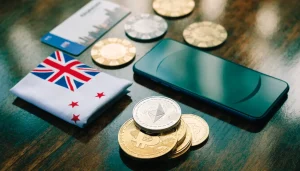
If you play online pokies with Bitcoin, keep the withdrawal details and transaction status together. Confirm that the destination address is yours and that the selected currency matches your wallet; a transfer sent to an incompatible address or network may not be recoverable. If a casino requests identity documents, use its stated secure process and avoid sending them through an unverified message channel. These checks may feel like an interruption after a win, but they are a practical part of withdrawing, not proof that the blockchain transfer has begun.
Bitcoin Video Slots and Fairness Claims
A video slot’s appearance does not establish how its results are generated. Some games are described as “provably fair”, but that label is meaningful only if the operator explains the mechanism and gives you a way to check a result independently. A fairness claim is not the same as proof that a game is fair.
Look for a clear explanation of what is committed before a round, what data is revealed afterwards, and how you can use it to verify the outcome. Some systems use cryptographic values, or hashes, to show that information was not changed after the result. The site should explain what those values represent and provide a verifier or instructions you can follow. Technical language without a usable checking method is not much of a safeguard.
Also check which part of the game the claim covers. A verification process might concern the random result, but say nothing about the game’s published rules, payout structure, or how the operator handles disputes. Read the game’s own information, rather than assuming a casino-wide statement applies to every title.
Treat “provably fair” as a claim to examine, not a guarantee. If the explanation is vague, the verification tool is missing, or the results cannot be checked, you have no clear basis for relying on the label. A Bitcoin payment method does not itself make a video slot more transparent or fair.
What games can you play at Bitcoin casinos?
You can play online slot games, also called pokies. Bitcoin is a way to fund or hold your casino balance; it does not change the slot’s rules.
Are Bitcoin casino winnings taxable in New Zealand?
No. Recreational gambling winnings, including winnings from crypto casinos, are generally not subject to income tax in New Zealand.
Is it legal to play at offshore Bitcoin casinos in New Zealand?
Yes, individual players are not prohibited from using offshore sites, including with cryptocurrency. From 1 December 2026, operators wishing to offer online casino gambling to people in New Zealand need a licence; the law targets operators, not players.
Is crypto gambling legal in New Zealand?
Individuals in New Zealand are not prohibited from using cryptocurrency at offshore online casinos. Local casinos cannot offer crypto games, and offshore operators must be licensed to offer online casino gambling to New Zealanders from 1 December 2026.
Casino Payments in New Zealand: Deposit Methods
Content created by the «casinotipsnz.com» team